No ad can do what a happy parent can do.
When a family genuinely loves your school and talks about it, at a birthday party, in a neighborhood Facebook group, at the grocery store, that’s peer-to-peer credibility that ads simply can’t replicate. Coming from a friend, it lands completely differently.
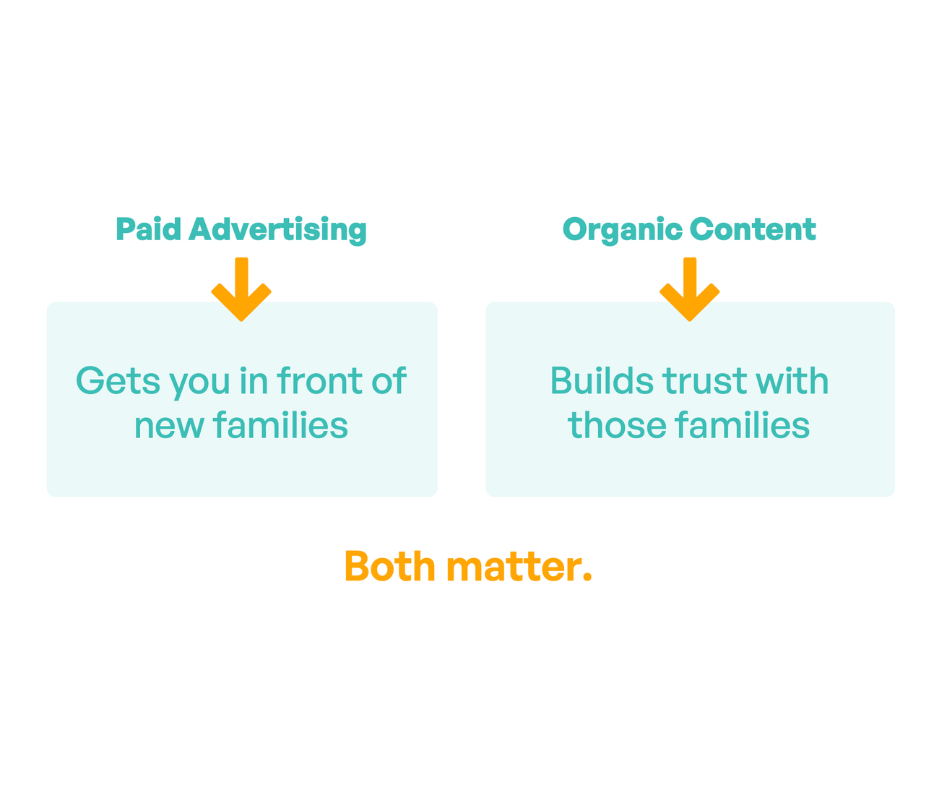
Ads create awareness. But a real parent saying “We love it here and here’s why” creates conviction. As an enrollment marketer, I always tell schools: their most powerful channel is already sitting in the carpool lane. The question is whether they’re activating it.

Your Ambassador Families Are Already Talking
You don’t have to look hard. They’re the families who stop you in the hallway to rave about their child’s teacher, leave glowing comments on your social posts, show up to every event, and re-enroll without hesitation.
That re-enrollment moment is one of the clearest signals you have. When a family chooses to stay, especially when they had options, that’s them voting for your school. That’s your ambassador.
These families aren’t just satisfied. They’re enthusiastic.
And enthusiasm is contagious in ways satisfaction never is.
What Makes Referral Programs Work
Programs that fail treat referrals like transactions: “Here’s a discount, go find us a family.” That reduces something meaningful to something mercenary.
Programs that work make families feel like insiders who are proud to share something great. Three things have to be in place:
The ask needs to be specific and easy.
Not “send anyone our way” but “Do you know anyone who’d be a great fit here?” Then make it effortless to act. Give families a pre-written text they can copy and paste: “Hey! We’ve loved [School Name], happy to connect you with admissions if you want to learn more.”
Timing has to catch families in high-joy moments. Right after re-enrollment. Right after a big school event when families are buzzing. These moments make the same ask feel natural instead of forced.
You have to close the loop. When a referred family enrolls, acknowledge it. Follow up with the referred family warmly and mention who sent them: “Sarah mentioned you might be exploring options. We’re so glad she thought of you.” Then update the ambassador: “The family you referred, toured last week, thank you.” When people see their efforts working, they keep referring.

Give Families Something to Say
Most families want to talk about your school. They just don’t know how to say it naturally. So make it easy.
Give them a simple one-pager with two or three honest answers to questions parents always ask, and update it throughout the year. A “this month at our school” snapshot families can forward to a friend on the fence is simple and incredibly shareable.
Create pre-written social captions for milestone moments, student spotlights, and event recaps. And here’s the key insight: don’t design content for the people already following you. Design it for the stranger who’s going to see it when a current family reposts it. That reframe changes everything about how you build graphics and write captions.
After a big win, an award, an accreditation, send families a one-liner they can drop into a text. Low lift, high impact.
One Thing You Can Do Tomorrow
Share a simple stat in your next newsletter: “30% of our new families this year came through referrals from families like you.”
That one sentence celebrates your community, plants a seed, and reminds families they’re part of something worth sharing. Then pay attention to who engages with it. Those are your next ambassadors.
Because no amount of marketing sophistication can replace the power of one parent telling another: “We love it here, and here’s why.”

Kerry Selfinger is an enrollment marketing specialist who helps schools activate their most powerful marketing asset—their current families.
Frequently Asked Questions
Why are parent ambassadors more effective than paid advertising for schools?
Parent ambassadors create peer-to-peer credibility that advertising simply cannot replicate. When a parent tells their friend “We love it here and here’s why,” that recommendation comes from a trusted source making a high-stakes decision for their own child. Ads create awareness, but personal recommendations from parents create conviction. As Kerry explained, “No ad can do what a happy parent can do”—because recommendations carry the weight of lived experience, not marketing messages.
How do I identify which families at my school would make good ambassadors?
You don’t have to look hard—ambassador families are already talking. Look for families who stop staff in hallways to share positive feedback, leave glowing comments on social media posts, attend every school event, and re-enroll without hesitation. The re-enrollment moment is one of the clearest signals, especially when families had other options. When a family chooses to stay, they’re voting for your school—that’s your ambassador.
What’s the difference between referral programs that work and ones that fail?
Programs that fail treat referrals like transactions—”Here’s a discount, go find us a family.” This approach feels mercenary and awkward. Programs that work make families feel like proud insiders sharing something great. Successful programs have three elements: specific and easy asks, timing that catches families in high-joy moments (like right after re-enrollment or big events), and consistent follow-through that closes the loop with both referred families and ambassadors.
How can I make it easier for families to refer other families to our school?
Remove every barrier by providing ready-to-use content families can copy and paste. Give them pre-written text messages they can send to friends, one-pagers with honest answers to common questions, monthly highlight snapshots they can forward, and social media captions they can repost with one tap. After big wins or accreditations, send families one-liners they can drop into conversations. When the ask is simple and the tools are ready, most families will say yes without hesitation.
When is the best time to ask families for referrals?
Ask during high-joy moments when families are feeling most enthusiastic about your school. The best times include: right after re-enrollment (they just voted for your school with their feet), immediately following big school events when families are buzzing with excitement, and after milestone celebrations or student achievements. These moments make the ask feel natural rather than forced, and families are more likely to think of friends who might benefit from what they’re experiencing.
Should I create a formal family ambassador program or keep it informal?
Both approaches can work—it depends on your school’s size, culture, and capacity. Formalized programs with structure, recognition, and clear expectations work well for larger schools or networks with resources to manage them. Organic approaches work better for smaller schools without bandwidth for ongoing program management. What matters most isn’t the structure—it’s the consistency of identifying enthusiastic families, giving them tools to share, asking at the right moments, and closing the loop when referrals happen.
How do I “close the loop” on family referrals?
Closing the loop means following up with both the referred family and the ambassador family. When someone refers a friend, contact the referred family promptly and mention who sent them: “So-and-so mentioned you might be exploring options for next year. We’re so glad they thought of you.” This honors the referral and warms the lead. Then update the ambassador on progress: “The family you referred toured last week—thank you for thinking of us!” This follow-through shows ambassadors their efforts matter and encourages them to keep referring.
What can I do right now to start activating family ambassadors?
Share a simple stat in your next newsletter: “30% of our new families this year came through referrals from families like you.” This one sentence celebrates your community, plants a seed in parents’ minds about friends who might be looking for schools, and reminds families they’re part of something worth sharing. Then pay attention to who engages with that message—those are your next ambassadors to activate with tools and personal asks.