Lease obligations typically represent one of the largest line items in school budgets, yet I consistently see school leaders treating lease renewals as annual crises rather than strategic ongoing responsibilities. The schools experiencing the most financial stability and favorable lease terms share one critical characteristic: they start preparing early and approach negotiations strategically.

As schools enter budgeting season, understanding how to prepare for lease obligations, approach landlord conversations effectively, and recognize warning signs of unsustainable costs becomes essential for maintaining financial health while securing the facility terms you need.

Preparation: The Foundation of Successful Lease Management

Understanding Your Complete Obligations

Get a firm grip on every lease term and obligation. Know exactly what you’re responsible for and what the landlord is supposed to handle. This clarity prevents budget surprises and provides leverage during negotiations.

Too many schools overlook pass-through expenses like CAM charges, taxes, and insurance—often the areas where budgets take the biggest hits. Dig into your operating expense history to understand patterns and identify opportunities for negotiation or optimization.

Space Utilization Assessment

Before assuming you need more space or different terms, evaluate whether you’re maximizing your current facility. Multi-purpose rooms, combined uses, and flexible scheduling can stretch your footprint without adding costs.

Track enrollment closely and push harder on marketing if numbers dip. Your space requirements and budget fundamentally depend on enrollment stability.

Negotiating Your School's Lease Strategic Preparation That Protects Your Budget (3)

Long-Term Maintenance Planning

Major repairs like roof replacements, HVAC systems, or facility painting can wreck budgets when they hit unexpectedly. Figure out whether these are your responsibility or your landlord’s. If they’re yours, start planning years ahead to spread costs and avoid financial shocks.

Critical Date Tracking

Stay on top of notice periods, escalation triggers, CPI adjustments, and renewal deadlines in your lease. Don’t allow these to sneak up on you. Missing critical dates can cost negotiating leverage or force rushed decisions under pressure.

Lease Renewal Considerations

Building Condition Evaluation

If your landlord is asking for higher rates but hasn’t invested in building improvements, that’s an opening to negotiate capital items. Playground upgrades, HVAC assistance, or other facility improvements can offset rate increases while enhancing your educational environment.

Negotiating Your School's Lease Strategic Preparation That Protects Your Budget

Automatic Renewal Clauses

Pay attention to whether your lease automatically renews and what notice periods apply. Be transparent with landlords about your needs and affordability. Clear communication early creates better negotiation foundations than last-minute demands.

Beyond Base Rent

Don’t focus exclusively on rent—it’s only one piece of your total facility cost. Other valuable negotiation levers include:

  1. Term length
  2. Renewal clarity and options
  3. Caps on operating expense increases
  4. Early termination provisions
  5. Rent-free periods

These elements can be just as valuable as reducing base rent, and sometimes landlords have more flexibility on these terms than on headline rental rates.

Moving Forward Proactively

Time Is Your Biggest Asset

Start lease renewal discussions 18-24 months ahead of expiration. This timeline prevents both parties from getting backed into corners where limited options force suboptimal decisions.

Negotiating Your School's Lease Strategic Preparation That Protects Your Budget (2)

Early conversations allow time to:

  1. Research market rates without scrambling for comparisons
  2. Honestly assess budget position, space needs, and enrollment trends
  3. Explore multiple scenarios and alternatives
  4. Build landlord relationships that facilitate better terms
  5. Identify and address potential issues before they become crises

Successful lease management requires treating facility costs as strategic ongoing responsibilities rather than annual crises. Schools that prepare early, negotiate comprehensively, monitor warning signs, and maintain positive landlord relationships consistently achieve better outcomes than those approaching renewals reactively.

Remember: it’s never too early to start preparing for lease renewals, but it can definitely be too late. Whether your renewal is next month or two years away, start implementing these practices now to protect your budget and secure the facility terms your school needs.

About the Author

Mary Dillon is Associate Director of Real Estate Management at Grow Schools, where she helps schools navigate lease negotiations and facility management to achieve sustainable financial stability.
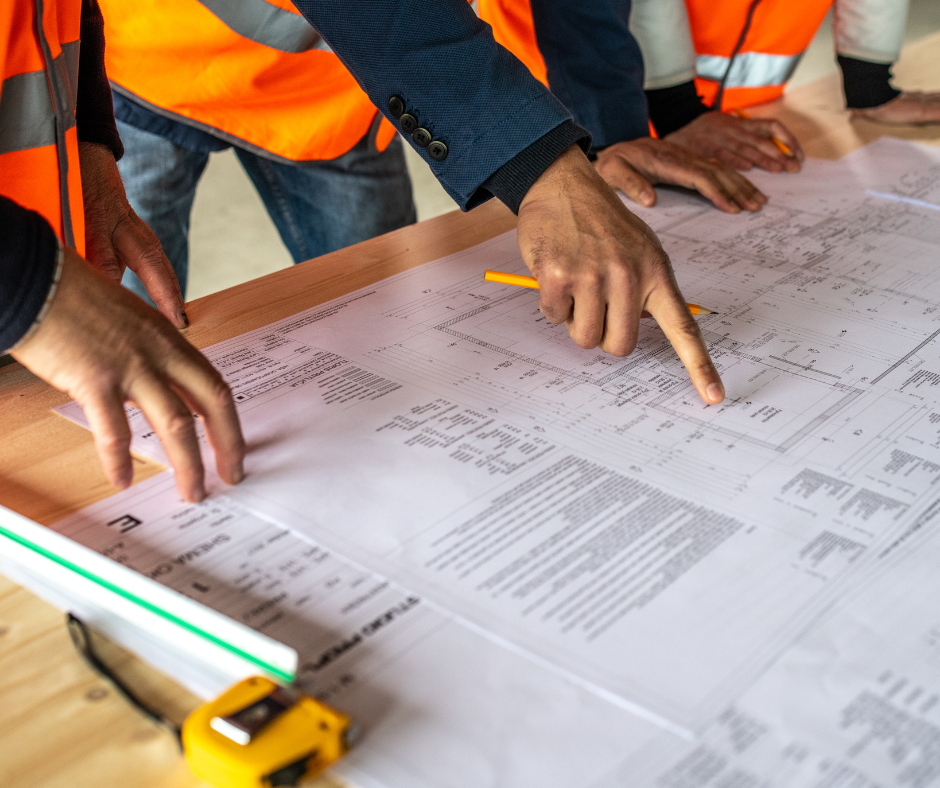

How far in advance should we start planning our facility project? This question comes up in nearly every conversation I have with school leaders planning renovations, expansions, or new construction. The answer I give often surprises them: ideally, you should have started a year ago.

School construction projects involve more complexity, longer lead times, and more potential delays than most educational leaders anticipate. Understanding realistic timelines and planning accordingly makes the difference between projects that complete on schedule and those that disrupt school operations or miss critical opening deadlines.

Realistic Timeline Expectations by Project Type

The most important factor affecting your construction timeline is project scope. A realistic overall timeline for school projects ranges from one year minimum to three-plus years, but let’s break that down by phase and project type.

Design Phase: 3-12 Months

Design timelines vary dramatically based on project complexity:

  • Small renovations touching minimal rooms: 1-3 months
  • Moderate renovations of full buildings (20,000 sq ft): 8-12 months
  • Large campus projects or new construction: 12-18+ months

The larger and more complex your project, the more time you need for planning and design. This phase includes not just creating drawings, but stakeholder engagement, program development, budget refinement, and multiple design iterations.

Permitting Phase: 1-24+ Months Permitting represents the biggest wild card in construction timelines. I’ve secured permits in as little as one week in jurisdictions with streamlined processes and strong architectural submissions. I’ve also navigated permitting processes that took two years due to environmental reviews and entitlement requirements.

General guidelines:

  • Simple projects in efficient jurisdictions: 1-2 months
  • Standard projects in typical jurisdictions: 2-4 months
  • Complex projects or challenging jurisdictions: 6-12 months
  • Projects requiring environmental review (CEQA in California, ULURP in New York, for example): 12-18+ months

Your architect’s familiarity with local requirements significantly impacts this timeline.

Construction Timelines For School Projects How Far In Advance Should You Start Planning (3)

Construction Phase: 2-36 Months

Actual construction timelines depend on project scope:

  • Small remodels (classrooms, offices): 2-6 months
  • Full floor renovations: 6-12 months
  • Complete school renovations with multiple buildings: 12-36 months
  • New construction: 12-24+ months depending on size

These timelines assume continuous work without major interruptions. Projects requiring phased construction around school operations take significantly longer.

The Common Delays Schools Should Anticipate

While every project is unique, certain delay factors appear consistently across school construction projects. Understanding these allows for more realistic planning and appropriate contingency.

Academic Calendar Constraints Unlike other construction projects that can proceed year-round (depending on geography), school projects often face work windows restricted to summer breaks or winter holidays. This limitation extends timelines significantly.

If your project requires 8 months of construction but you can only work during 3-month summer windows, you’re looking at multiple years of phased work. This constraint alone often adds 6-12 months to project timelines.

Material Lead Times

Long lead times for essential equipment can delay projects even when all other elements are ready. Critical items include:

  • HVAC equipment: 6-8 months (sometimes longer for specialized systems)
  • Electrical switchgear: 8-12 months
  • Windows and curtain wall systems: 4-6 months
  • Specialized laboratory or kitchen equipment: 3-6 months

A two-month renovation project requiring new HVAC equipment with an eight-month lead time creates obvious timeline challenges. Early identification and procurement of long-lead items is critical.

Construction Timelines For School Projects How Far In Advance Should You Start Planning

Permitting Delays and Resubmissions

The permitting process rarely proceeds smoothly on first submission. Plan reviewers identify issues requiring design revisions, code interpretations differ from expectations, and new requirements emerge during review.

I’ve worked on projects requiring six rounds of resubmission before permit approval. Each round adds 2-4 weeks minimum to your timeline. Factors contributing to multiple resubmissions include:

  • Incomplete or unclear drawings
  • Design elements not meeting current code requirements
  • Insufficient structural, mechanical, or electrical detail
  • Missing information required by the jurisdiction

Hidden Conditions in Renovation Projects

Renovation projects involve unknowns you can’t discover until construction begins. Behind walls and under floors lie surprises that can significantly impact timelines:

  • Asbestos or other hazardous materials requiring abatement
  • Outdated or damaged wiring and plumbing
  • Structural issues not visible during initial assessment
  • Water damage or mold
  • Inadequate foundation or structural support

These discoveries require work stoppages, redesign, additional permitting, and specialized remediation—all adding time and cost to projects.

Labor Availability During Peak Seasons

Summer represents peak construction season, creating competition for skilled labor. Schools planning summer-only construction windows face this challenge annually.

Without early contractor engagement and scheduling, you may discover that subcontractors are committed to other projects during your preferred work window. This can delay project start by months or force acceptance of less experienced contractors.

Stakeholder Decision-Making

Slow or changing decisions from school leadership, boards, or other stakeholders consistently delay projects. Design changes late in the process require returning to earlier phases, affecting timelines exponentially.

A classroom layout change during construction doesn’t just affect that classroom—it impacts electrical, HVAC, finishes, furniture procurement, and potentially structural elements. What seems like a small change can add weeks or months to completion.

Construction Timelines For School Projects How Far In Advance Should You Start Planning (2)

Poor Team Coordination

When architects, contractors, consultants, school administrators, and other stakeholders don’t communicate effectively or make decisions promptly, projects stall. Clear decision-making authority, regular communication schedules, and defined approval processes are essential.

When to Engage Professional Teams

The single most important timeline decision is when to bring professional expertise onto your project. My answer is always: as early as possible—the moment your school identifies a facility need.

The Six-Month Engagement Reality

Many school leaders don’t realize that simply finding and engaging your professional team can consume six months. A competitive bid process for architect selection involves:

  • Developing request for proposals (RFP)
  • Advertising and receiving responses
  • Reviewing submissions and checking references
  • Conducting interviews
  • Board approval of selection
  • Contract negotiation and execution

This process protects your interests by ensuring you select qualified professionals, but it takes time. Starting this process when you need construction completed in six months guarantees project failure.

The Value of Early Engagement

Bringing architects and consultants on board early provides multiple benefits:

  • Realistic timeline development based on your specific project
  • Accurate budget estimates that prevent mid-project surprises
  • Early identification of permitting challenges or requirements
  • Time for thorough stakeholder engagement and program development
  • Opportunity for value engineering to optimize budget allocation

Early engagement costs relatively little compared to the expensive problems it prevents.

Planning for Success

The most successful school construction projects share common characteristics:

  • Early professional team engagement
  • Realistic timeline expectations with appropriate contingencies
  • Strong design development before permitting
  • Clear stakeholder decision-making processes
  • Adequate budget for unknown conditions
  • Flexibility to adapt when challenges emerge

The least successful projects typically result from compressed timelines, late team engagement, and optimistic assumptions about how quickly things will proceed.

When school leaders ask “How far in advance should we start planning?” my honest answer remains: ideally, a year ago. But the second-best time to start is today—the moment you identify a facility need.

Construction timelines for school projects are longer and more complex than most educational leaders anticipate. Understanding these realities and planning accordingly protects your school from missed deadlines, budget overruns, and operational disruptions that affect students and staff.

About the Author
Michael Soh

Michael Soh helps schools expand and improve their facilities. Along with a degree from USC in Civil Engineering, Michael has nearly a decade of experience—having managed projects in New York City, Boston, Los Angeles, and San Francisco. He has expertise in mixed-use, multifamily, office, and commercial projects, allowing him to support schools through ground-up construction, building and space improvements, and redevelopment initiatives.

The Timing the Market: What’s in Store for School Facilities in 2026 event brought together real estate experts, construction specialists, and school leaders who shared invaluable insights on navigating today’s complex facility landscape.

Market Conditions and Strategic Timing – Ryan Eldridge

Ryan Eldridge Grow Schools

Ryan Eldridge, Associate VP of New Business at Grow Schools, opened the discussion by painting a realistic picture of today’s facility landscape. Drawing from his 13 years of experience working with charter schools across the country, Ryan identified several critical challenges schools currently face:

Finding affordable, available space remains the biggest hurdle for charter schools. The inventory exists, but navigating permitting, zoning rights, and the ability to use commercial spaces as schools continues to complicate the process. Ryan emphasized that without ownership or long-term lease agreements (20-40 years), schools struggle to maintain control over their futures and justify significant facility investments.

Rising construction costs, driven by post-COVID supply chain issues and current economic policies including tariffs, have compounded these challenges. Combined with market volatility and frequent administrative changes, many schools find themselves in a state of decision paralysis.

Despite these obstacles, Ryan’s message was clear: “It’s always go time.” Schools shouldn’t let market uncertainty prevent them from planning ahead. Renovation projects typically require 12-18 months minimum, while ground-up construction demands at least 2-2.5 years. Starting early and maintaining momentum on facility projects is essential, regardless of market conditions.

When to Buy, Renovate, or Wait – Mary Dillon

Mary Dillon, Associate Director of Real Estate Management, provided a strategic framework for schools wrestling with facility timing decisions. Her nine years of real estate-focused work at Grow Schools has given her deep insight into when schools should act versus when they should exercise patience.

Mary emphasized that facility moves should follow enrollment and financial strength, not lead them. The key indicators of readiness include healthy balance sheets, stable multi-year enrollment (not just one strong year), and debt capacity that won’t crowd out academic investments.

For schools considering ownership, Mary recommended that facility costs remain between 10-20% of annual revenue, with a coverage ratio of at least 1.2 (meaning net income exceeds facility obligations by 20%). She also suggested that revenue should be five to six times higher than rent, bond, or lease costs.

Regarding enrollment, Mary stressed looking beyond total headcount to examine waitlist consistency over multiple years, retention rates of 80-90% across grade transitions, and clear trajectory patterns. She recommended planning around 80% of target average daily attendance to provide a buffer against fluctuation.

For renovation timing, Mary advised that schools should renovate when their location is strong but the space isn’t fully optimized, when enrollment growth is real but not yet large enough to justify ownership, or when targeted improvements are needed rather than full relocation. The smartest renovations solve problems without creating new financial strain.

Importantly, Mary validated waiting as a legitimate strategy when enrollment is declining, leadership is in transition, or financial reporting isn’t yet reliable. She encouraged schools to use waiting periods productively by strengthening financial systems, building enrollment pipelines, and conducting facility audits.

Construction Reality Check – Michael Soh

Michael Soh

Michael Soh, Director of Construction and Development, brought the on-the-ground perspective about what schools should actually expect when executing facility projects in 2026.

Michael outlined various facility improvement categories schools typically encounter: emergency repairs (immediate issues like failing HVAC or roof leaks), routine maintenance (proactive scheduled upkeep), targeted repairs (planned replacements within 3 years), and capital improvements (major long-term strategic projects).

He highlighted several construction market dynamics affecting charter schools in 2026:

Interest Rates and Financing: Borrowing costs remain elevated compared to pre-pandemic norms, affecting project affordability and requiring larger contingencies.

Tariffs and Material Costs: Steel and aluminum prices are increasing due to trade policy and global supply shifts, potentially pushing projects over budget mid-design.

The Data Center Boom: This unexpected factor is significantly impacting charter school projects in markets like Northern Virginia, Texas (Dallas, Austin, Houston), Atlanta, Phoenix, and Chicago. Data centers are pulling skilled labor toward their projects through premium wages, making it harder for schools to secure competitive bids and adequate subcontractors.

Michael recommended starting with 10-20% contingency budgets (higher than historical norms), involving general contractors early in the process, planning for longer procurement and inspection timelines, and considering phased implementation strategies. He also emphasized the importance of choosing the right architect and contractor partners who have strong experience in educational settings and local markets.

Real-World Experience – Rob Shields

Rob Shields

Perhaps the most compelling testimony came from Rob Shields, Interim Co-Director of the School of Arts and Enterprise in California. Rob’s journey from part-time theater teacher to school leader over nine years gave him a unique perspective on facility challenges.

His school faced a perfect storm: post-COVID enrollment decline (dropping from 780 students to 615 in three years), the expiration of one-time funds, and aging “found space” facilities (including a former bank and boat repair facility) that required constant maintenance. With a $14 million operational budget, losing 150 students created an urgent need for financial restructuring.

The School of Arts and Enterprise explored multiple options, including leveraging their owned properties for cash infusion. Traditional banks weren’t willing to work with them in ways that would ensure long-term success. Their partnership with Grow Schools provided both immediate cash flow relief and a long-term facility solution.

Rob’s advice to other school leaders was refreshingly honest: “Transparency is the best possible outcome you could have.” He emphasized that keeping challenges close to the chest turns them into individual problems rather than organizational challenges to be solved. Being open about needs, hopes, fears, and concerns leads to honest solutions and maintains integrity.

The entire transaction—from initial contact over the Christmas holidays to completed facility restructuring—took just one calendar year, demonstrating that the right partnership can move quickly when schools need it most.

Key Takeaways

Several themes emerged consistently throughout the webinar:

Start Planning Early: Whether renovating or building new, projects take longer than expected. The time to start is always now if a facility decision is inevitable in your future.

Follow the Numbers: Facility decisions should be driven by financial strength and enrollment reality, not aspirational hopes. Be brutally honest about your school’s position.

Build the Right Team: Success depends on experienced architects, contractors, and financial partners who understand charter school operations and local markets.

Consider All Options: Ownership isn’t always the answer. Long-term lease arrangements or lease-to-own structures can provide stability without the burden of property debt.

Use Waiting Time Wisely: If now isn’t the right time, strengthen your position by improving financial systems, building enrollment pipelines, and planning thoroughly.

Stay Transparent: Open communication with partners, boards, and advisors leads to better solutions and reduces the isolation school leaders often feel.

The facility decisions charter schools make today will shape their ability to serve students for decades to come. While market conditions in 2026 present genuine challenges, the experts at this webinar made clear that strategic, informed decision-making can help schools navigate uncertainty successfully.