For charter schools, facilities represent a challenge that district schools never face. Unlike traditional public schools that receive buildings as part of their infrastructure, charter schools must locate, secure, and often transform spaces into learning environments—all while managing limited resources and growing student populations.

Having worked with numerous charter schools navigating these challenges, I’ve observed patterns in both struggles and successes. The schools that thrive understand a fundamental truth: enrollment, funding, and facilities don’t exist in isolation. They form an interconnected system where each element depends on and supports the others.
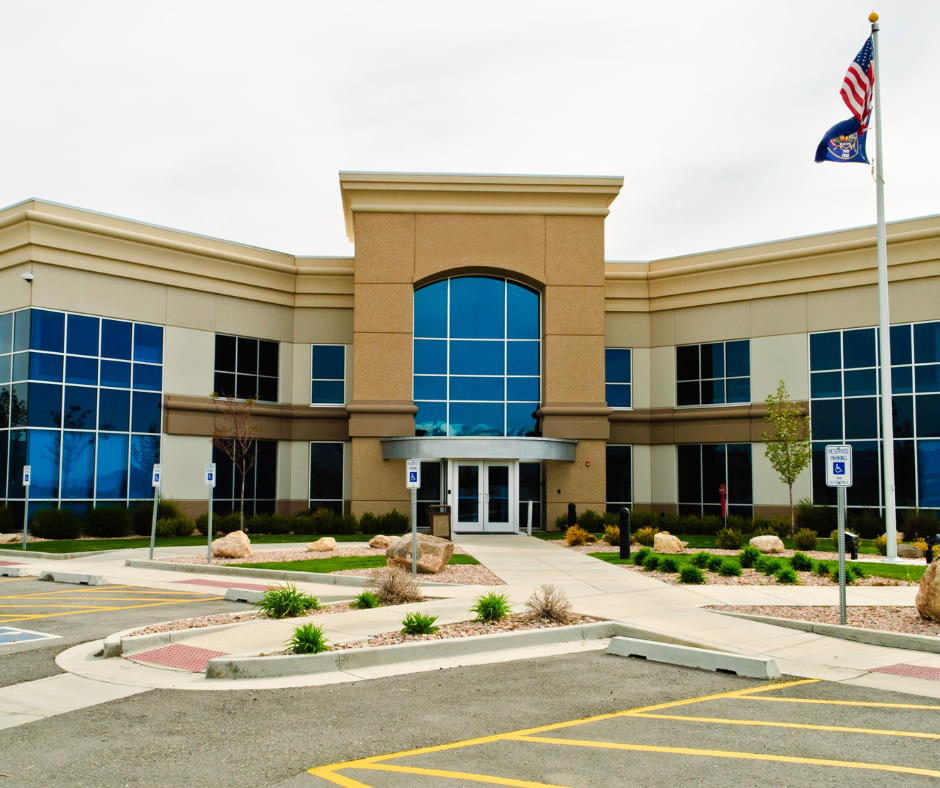
The Virtuous Cycle How Enrollment Funding And Facilities Interconnect

The Unique Facility Challenges Charter Schools Face

The Starting Line Disadvantage

Charter schools begin at a disadvantage simply by not being given facilities. While district schools inherit buildings with all the infrastructure advantages that come with them, charter schools must locate suitable spaces in competitive real estate markets, often competing against commercial tenants who can offer landlords simpler, more profitable arrangements.

This initial challenge sets the tone for ongoing facility struggles that impact every aspect of school operations.

Overcapacity and Unmet Demand

One of the most common scenarios I encounter is schools operating at or beyond capacity with significant waitlists. These schools have proven their educational model and created community demand, yet they’re physically unable to serve additional students.

This situation represents both success and frustration—success in creating a program families want, frustration in being unable to fulfill your mission due to physical constraints. The challenge becomes finding pathways to expand capacity without overextending financial resources or compromising educational quality.

Non-Optimal Learning Spaces

Many charter schools occupy buildings never designed for education. Converted big-box stores, former movie theaters, office buildings, and retail spaces all present unique challenges for creating effective learning environments.

These spaces might lack adequate natural lighting, appropriate acoustics, or efficient layouts for educational programming. Classrooms might be oddly shaped, circulation patterns inefficient, and specialized spaces like science labs or performance areas simply impossible to accommodate without significant investment.

While these spaces can absolutely house successful schools, they require creativity, adaptation, and often compromise on the ideal learning environment you’d create if building from scratch.

The Virtuous Cycle How Enrollment Funding And Facilities Interconnect (3)

The Maintenance and Upkeep Dilemma

Perhaps the most persistent facility challenge involves ongoing maintenance and improvements. With limited budgets, charter schools constantly balance facility upkeep against educational programming investments.

Should you repair aging HVAC systems or invest in new curriculum materials? Do you address deferred roof maintenance or hire another teacher? These aren’t hypothetical scenarios—they’re real decisions charter school leaders face regularly.

The challenge intensifies because deferred maintenance typically becomes more expensive over time, creating a cycle where small issues become major capital expenditures that could have been prevented with earlier intervention.

The Virtuous Cycle

Understanding the relationship between enrollment, funding, and facilities is crucial for sustainable charter school growth. These three elements create what I call a “virtuous cycle” when properly aligned.

The Chicken and Egg Problem

Which comes first: enrollment, funding, or facility? The answer is all three, simultaneously. Without a facility, you cannot enroll students. Without enrolled students, you don’t generate funding. Without funding, you cannot secure or maintain facilities.

This interdependence means that weakness in any one area compromises the others. Conversely, strength in one area creates opportunities to strengthen the others.

The Positive Feedback Loop

When these elements align strategically, they create positive momentum:

  1. A quality facility attracts families and supports enrollment growth
  2. Strong enrollment generates funding for facility improvements
  3. Better facilities enable program enhancements that attract more families
  4. Increased enrollment provides resources for additional facility investments

This cycle continues, with each improvement enabling the next. The schools experiencing the most sustainable growth have figured out how to keep all three elements moving forward together rather than sacrificing one for another.

The Virtuous Cycle How Enrollment Funding And Facilities Interconnect (2)

The Importance of Expert Guidance

Navigating this complex relationship often requires outside expertise. Organizations like Grow Schools, state charter associations, or financial advisors can provide the comprehensive perspective needed to align these elements strategically.

These partners help you see the complete landscape rather than focusing myopically on individual problems. They can identify how facility decisions impact enrollment potential, how enrollment patterns should inform facility planning, and how both connect to sustainable funding models.

Just as you’d consult a financial advisor for complex personal finance decisions, charter schools benefit from expertise that considers all interconnected elements of school operations.

Moving Forward Strategically

Sustainable charter school growth requires viewing enrollment, funding, and facilities as interconnected elements of a single system rather than separate challenges to address individually.

The Strategic Approach

  1. Regularly assess all three elements together, not in isolation
  2. Partner with experts who understand how these elements interconnect
  3. Make facility decisions based on enrollment data and financial capacity
  4. Ensure facility investments support rather than strain educational programming
  5. Build flexibility into facility arrangements to accommodate inevitable changes

The schools experiencing the most sustainable growth treat facility decisions as strategic tools that support their educational mission rather than ends in themselves. When enrollment, funding, and facilities align strategically, charter schools create the virtuous cycle that enables long-term success. Each improvement strengthens the others, building momentum that supports sustainable growth while maintaining the educational quality that attracted families in the first place.


The enrollment landscape has fundamentally shifted. With over 8,000 charter schools now operating across the country and even new states like North Dakota opening their doors to charter legislation, competition for students has never been fiercer. Add declining birth rates and families making decisions online before ever picking up the phone, and it’s clear: traditional marketing approaches aren’t cutting it anymore.

The live event,” What’s Trending in School Marketing: Proven Strategies and Enrollment Tactics That Fill Classrooms,” features insights from our enrollment marketing experts and successful school leaders who are seeing real results.

The Truth About Social Media (It Might Surprise You)

Ashley MacQuarrie, VP of Marketing at Grow Schools, opened with what she called a “controversial” truth: no social media platform alone drives qualified leads in 2025.

“Facebook used to be the answer. Instagram was the hot new thing. Everyone’s asking about TikTok,” Ashley explained. “The truth is that those are awareness tools. They’re not lead generators, at least not on their own. Your website converts, your application process converts. Social media can help you get noticed.”

Where Should You Invest?

Facebook and Instagram remain the foundation for school marketing, particularly because that’s where parents—especially moms who are often primary decision-makers—spend their time. Paid advertising on these platforms actually works when used strategically for discovery, while organic content builds the trust and credibility families need before taking the next step.

TikTok is worth exploring if you have capacity, but shouldn’t distract from marketing fundamentals. As Ashley noted: “Go where your families actually are, not where headlines might be telling you you should be.”

Content That Actually Converts

The most powerful content shows your school in action—not stock photos or generic messages. Jesse Foss, Content Strategist on Grow Schools’ Enrollment Marketing team, emphasized that schools should focus on:

  • Student testimonials (especially video): Short, authentic clips of real kids talking about what they love
  • Day-in-the-life content: Follow a teacher or student through their day
  • Virtual tours: Simple phone walk-throughs of your spaces (no drone shots needed)
  • Parent voices: Current parents are your best marketing tool

“The goal isn’t to go viral, but to show up as a consistent, trusted and reliable organization for families,” Jesse explained. “Show, don’t tell.”

The AI Question Everyone’s Asking

Yes, you can use AI to help write social posts, emails, and blog content—but with a critical caveat.

“AI can create noise. It sounds very generic, and your school is not generic,” Ashley warned. “If your content could be about any school, it’s not really doing its job. Use AI to overcome blank page syndrome, then edit it heavily. Add specific examples, real stories. AI is a tool. You’re still the storyteller.”

Whats Trending In School Marketing (1)

Don’t Panic About AI Search

While headlines warn about AI reducing website traffic, Ashley offered reassurance: “You’re a school. Families will still need to call, visit, and apply. They’re not going to enroll their kid based on an AI answer. Your website isn’t going away. SEO fundamentals still really matter.”

Email Automation: The Easy Win

One of the simplest yet highest-impact tactics? Automated inquiry confirmations.

“If someone fills out your inquiry form, do they get an immediate confirmation?” Ashley asked. “Families want to know their inquiry didn’t just disappear into the void. The automated response buys you 24 hours to follow up personally. Low effort, high impact.”

Email continues to have some of the highest ROI of any marketing channel because families are actively opting in to hear from you.

Measuring What Actually Matters

Jesse emphasized moving beyond vanity metrics: “Followers don’t equal enrollments. Likes don’t equal applications. Shares don’t equal inquiries.”

Instead, track:

  • Website visits
  • Form fills
  • Tour sign-ups
  • Where families are dropping off in your enrollment funnel

“If families aren’t converting from inquiry to tour, your follow-up process needs work,” Jesse explained. “If they’re touring but not applying, something in that experience isn’t clicking. Marketing can generate more top-of-funnel activity, but if your funnel leaks, more volume won’t solve it.”

Strategic Content Planning Around Enrollment Cycles

Your content should align with when families are making decisions:

  • October-December: Build awareness, showcase your school
  • January-March: Active recruitment mode—open house promotion, application info, urgency
  • April-June: Application push plus retention focus for current families
  • July-September: Welcome new families, prevent summer attrition

“If a family enrolls in February, they have six months before school starts—a really long time to consider if they made the right choice,” Jesse noted. “Use your social media to keep them warm and remind them all summer long why choosing you was a great decision.”

Real Schools, Real Results

The workshop featured two school leaders putting these strategies into practice:

Mike Taack, Founder and CEO of WYLEES (Western Youth Leadership, Engagement, and Empowerment Middle School) in Las Vegas, faced the challenge every brand-new school does: zero awareness in a crowded, competitive market.

“Las Vegas is full of bright lights and distractions, and it’s easy to get overlooked, especially if you’re doing something as mundane as education,” Mike shared. “I knew that Grow Schools had a really high-quality systematic approach to enrollment marketing, and I knew that we needed that to break through the noise.”

Mike’s advice? Start with budgeting for marketing from day one. He wrote enrollment marketing partnership costs into both his state authorization application and federal CSP grant application because he knew it would be critical.

“The hardest part was the timeline of getting enrollments,” Mike admitted. “There’s a critical phase to build awareness and it takes time. It felt tense. But all that front-end investment in sharing our story really paid dividends because we saw a cumulative snowball effect. The awareness was building and building.”

Jonathan Maraweli, President of Jackson Preparatory & Early College in Michigan, faced a different challenge: misconceptions about what his school actually offered.

“I’ve heard everything from ‘I thought it was only a school for smart kids’ to ‘I thought it was an alternative school,'” Jonathan explained. “It was really about setting a foundation of what we are, who we serve, and doing it so that word-of-mouth can really be that biggest lever.”

Jonathan’s school is ten years old and had been experiencing slow but steady enrollment decline despite strong test scores and parent satisfaction. After partnering with Grow Schools on enrollment marketing, they reversed that trend.

“Experience matters, and that’s what families will cite. But it’s interesting because when you put the marketing with it, then they come,” Jonathan observed. “They might not say it was a Google ad that brought them to our school, but maybe that Google ad was the lever that pushed them in the right direction.”

Both Mike and Jonathan emphasized that working with an enrollment marketing partner is exactly that—a partnership.

“It really is a partnership, and it goes both ways,” Jonathan stressed. “You’re not just handing it off. We are Grow Schools’ best tool where we are at. They can give us the ideas and handle a lot of the digital, but we’re the ones doing it on the ground.”

Mike echoed this: “What was really helpful for us was we had a partner to think through how to optimize our ground game, how to take the things we’re already doing and really make them more high-leverage. It really was like having two or three or four extra staff members who are experts in this type of work.”

The Bottom Line

Effective school marketing in 2025 isn’t about going viral or being on every platform. It’s about consistent, authentic storytelling that shows families what makes your school special—and meeting them where they already are online.

As Ashley summarized: “Your school is not generic. If your content could be about any school, it’s not doing its job.”

In this episode of Tuesday Tips, we were joined by design expert Niki Blaker to discuss visual communication strategies for school leaders creating materials without formal design training.

Here are this session’s top 3 tips:

  1. Choose colors strategically for brand and accessibility. Navy and burgundy convey trust and tradition for established institutions, while bright blues and greens signal innovation for STEM or progressive schools. Build a palette of 5-6 colors (two primary, two accent, plus dark and light neutrals) and maintain a 4.5:1 contrast ratio for readability. Use tools like coolors.co to generate palettes and check accessibility.
  2. Apply the CRAP principle for effective layouts (it’s a terrible name, but it’s memorable!) Contrast makes important information pop, Repetition keeps materials cohesive, Alignment ensures intentional placement, and Proximity groups related information together. Use the “5-second test”—if someone can’t understand your main message in 5 seconds, simplify. Remember: when everything competes for attention, nothing gets it.
  3. Master typography with two main fonts and clear hierarchy. Choose one font for headings, one for body text, ensuring they’re sufficiently different in weight and visual density. Create hierarchy with size and weight, not just color. Use tools like fontjoy.com or fontpair.co for pairing suggestions. Avoid fonts that undermine credibility like Comic Sans.

Watch the Whole Conversation Here

Lease agreements represent one of the ongoing expenses for schools, often consuming 10-20% of annual revenue. Yet many school leaders approach lease negotiations without commercial real estate experience, focusing primarily on rent amount while overlooking terms that could save thousands of dollars annually and provide crucial operational flexibility.

Having worked with numerous schools on lease negotiations, I’ve seen how strategic lease structuring can make the difference between agreements that support educational missions and those that constrain growth and drain resources. The key is understanding that effective lease negotiation extends far beyond securing the lowest possible rent.

1. The Foundation: Aligning Lease Terms with School Mission and Goals

The most successful school lease negotiations start with a clear understanding of how the space will serve your educational mission. This means looking beyond location preferences to consider how the physical environment will support your specific instructional approach.

Mission-Driven Space Requirements

Different educational approaches require different spatial configurations. An art-focused school needs open studio spaces with proper ventilation and natural light, while a sports-oriented program requires fields, equipment storage, and locker room facilities. A STEM school might prioritize laboratory spaces and maker areas, while a Montessori program needs flexible classroom configurations.

These mission-specific requirements should drive your lease negotiations, not be afterthoughts once you’ve secured a space. I’ve seen schools choose facilities based primarily on rent or location, only to discover later that the space fundamentally doesn’t support their educational approach.

The Full Financial Picture

Many schools make the mistake of negotiating only on base rent while overlooking the total cost of occupancy. Your lease negotiation should address:

  1. Property expense responsibilities and how they’re calculated
  2. Utility arrangements and cost allocation methods
  3. Security requirements and associated costs
  4. Repair and maintenance responsibilities
  5. Insurance requirements and premium responsibilities
  6. Tax implications and assessment responsibilities
3 Lease Negotiation Strategies For Schools

Understanding these additional costs upfront prevents budget surprises and allows for more accurate financial planning.

Conservative Enrollment Planning

It’s tempting to negotiate lease terms based on optimistic enrollment projections, but this approach often leads to financial stress. Base your lease obligations on conservative enrollment forecasts that account for potential variations in student numbers.

Build your lease structure to accommodate growth when it happens, but ensure you can meet obligations even if enrollment doesn’t reach projected levels. This approach provides financial stability while positioning you to capitalize on growth opportunities.

2. Building Flexibility for Future Growth

One of the most costly mistakes schools make is negotiating inflexible lease terms that require complete renegotiation when circumstances change. Building flexibility into your initial agreement saves money and provides strategic advantages as your school evolves.

Phased Expansion Planning

The most effective approach to accommodating growth is planning expansion in phases from the beginning. This involves including specific language in your lease that accounts for your desire to grow and expand over time.

Consider negotiating rights of first refusal for additional space within the same building. Many schools can start by occupying a portion of a larger building—perhaps 25% initially—with clear pathways to expand as enrollment grows. This approach provides immediate cost savings while securing future growth options.

Expansion Mechanisms Several lease provisions can facilitate future expansion:

  1. Right of First Refusal: Gives you the first opportunity to lease additional space in the same building when it becomes available
  2. Predetermined Expansion Schedule: Establishes timeline and terms for taking additional space based on enrollment milestones
  3. Modular Addition Rights: Allows for temporary or permanent modular classroom additions on available land
  4. Space Reconfiguration Rights: Permits internal modifications to optimize space utilization

Exit and Assignment Options Flexibility also means having options when circumstances change unexpectedly. Negotiate early termination rights for specific scenarios, such as charter authorization issues or significant program changes. Include assignment and subletting rights that allow you to share space with complementary programs or transfer obligations if necessary.

These flexibility provisions are typically easier and less expensive to negotiate during initial lease discussions rather than trying to modify existing agreements later.

3. Strategic Tenant Improvement Negotiations

3 Lease Negotiation Strategies For Schools (2)

Tenant improvements (TIs) represent opportunities to customize space for your educational mission while managing capital expenditures strategically. Effective TI negotiation requires understanding both your educational needs and financial capacity.

Phased Improvement Planning

Rather than trying to complete all improvements at once, consider phasing improvements to match your growth trajectory and cash flow. For example, you might negotiate immediate classroom improvements with future gymnasium or laboratory additions tied to enrollment milestones.

This approach allows you to optimize your budget while ensuring improvements align with actual growth rather than projected growth.

Landlord Financing Options

Many landlords are willing to finance tenant improvements through slightly increased rent payments rather than requiring upfront capital. This arrangement can unlock improvements that might otherwise strain your cash flow, while spreading costs over the lease term at predetermined interest rates.

When negotiating these arrangements, establish clear milestones tied to certificates of occupancy or other objective completion standards. This ensures you don’t pay for improvements until they’re actually usable.

Creative Improvement Solutions

Some of the most effective tenant improvement negotiations involve creative solutions that serve both landlord and tenant interests. This might include:

  1. Improvements that enhance overall building value
  2. Modifications that could benefit future tenants
  3. Energy efficiency upgrades that reduce operating costs
  4. Technology infrastructure that serves building-wide needs

These improvements often receive more favorable landlord contributions because they provide benefits beyond your specific tenancy.

Moving Forward Strategically

Effective lease negotiation for schools requires balancing immediate needs with long-term vision, financial constraints with educational requirements, and operational flexibility with commitment certainty. The schools that achieve the best lease outcomes understand that successful negotiation extends far beyond rent reduction.

The key is approaching lease negotiations as strategic tools that support your educational mission rather than simply expense management exercises. When lease terms align with educational goals, provide operational flexibility, and maintain financial sustainability, they create foundations for long-term school success.

About the Author

a headshot of Tabatha Zilio Martins

Tabatha was born and raised in Brazil, where she graduated in Hospitality Management. At Grow Schools, she helps schools get where they’re going by helping them get into their forever homes.

Facility decisions represent some of the largest investments schools will ever make, yet many educational leaders approach these choices based on emotion, immediate pressure, or gut instinct rather than enrollment data. This approach leads to expensive mistakes—schools that overextend financially, outgrow their solutions too quickly, or commit to spaces that don’t align with their actual growth patterns.

The solution requires discipline: let enrollment data drive facility decisions. By understanding your enrollment patterns, projections, and key metrics, schools can make facility choices that support sustainable growth while protecting their financial stability.

Understanding Your Enrollment Reality

Before making facility decisions—whether lease renewal, expansion, or property purchase—schools need a clear picture of their enrollment reality beyond current student count.

Historical Pattern Analysis

Analyze at least 5-10 years of enrollment data if available. Look for patterns in growth, stability, and attrition. Pay attention to grade-level trends. Do you consistently see drops from 6th to 7th grade? Are kindergarten classes growing while middle school grades remain stable? These patterns reveal crucial information about facility needs.

Some schools discover natural enrollment breaks at certain grade levels, often due to program transitions or when families choose different educational paths. Understanding these patterns helps predict future space needs more accurately than assuming linear growth across all grades.

Community Context

Research demographic changes and housing developments in your area. Is your community growing or declining? Are birth rates increasing or decreasing? New housing developments, major employers relocating to your area, or significant economic changes all impact enrollment projections.

We’ve worked with schools where new processing plants brought job growth to the area, creating enrollment opportunities that weren’t immediately obvious from historical data. Conversely, some schools face challenges when major employers leave their regions, affecting family stability and enrollment retention.

How Enrollment Data Can Inform Facility Decisions 3 Metrics To Track

Waitlist Reality Check

Many schools point to waitlists as evidence of facility demand, but waitlist depth alone doesn’t tell the complete story. The critical metric is waitlist conversion rate. We’ve seen schools with impressive waitlists discover that when spots actually open, families often don’t convert to enrollment.

Track not just waitlist size, but actual conversion rates when spots become available. A smaller, highly-converting waitlist often indicates stronger demand than a large list with poor conversion.

Key Enrollment Metrics for Facility Decisions

1. Average Daily Attendance (ADA) Targets

    The most important metric for facility planning is achieving about 80% of your target ADA consistently. If you’re targeting 500 ADA, having 400 or more students in seats daily puts you in strong financial position for facility investments.

    ADA differs from enrollment because it accounts for actual attendance patterns. Some schools enroll 500 students but average only 450 in daily attendance due to chronic absenteeism or other factors. For facility planning, ADA provides a more realistic picture of your operational capacity needs.

    2. Multi-Year Consistency

    Single-year enrollment success doesn’t provide sufficient foundation for major facility decisions. Look for 3-5 years of meeting enrollment targets consistently. Occasional blips aren’t disqualifying, but you want evidence of sustained enrollment health before committing to significant facility investments.

    3. Grade-Level Distribution

    Understanding enrollment distribution across grades helps predict facility needs. Elementary-heavy schools need different space configurations than middle school-focused institutions. Some schools discover their enrollment is heavily weighted toward certain grade bands, affecting everything from bathroom ratios to classroom sizes.

    Strategic Timing for Facility Investments

    The Two-Year Rule

    Start facility planning at least two years before you need the space. This timeline accounts for the reality that everything takes longer than expected—finding suitable space, securing financing, navigating permitting processes, and completing improvements.

    This extended timeline also allows for facility improvements while you’re still in your current location, enabling transitions during natural break periods like summer rather than disrupting the school year.

    Enrollment Stability Requirements

    Facility investments should only be considered when you’re either at capacity with strong waitlists or maintaining consistent enrollment at target levels. Making facility decisions during enrollment decline or instability often leads to overextension and financial stress.

    How Enrollment Data Can Inform Facility Decisions 3 Metrics To Track (2)

    Moving Forward with Confidence

    Enrollment-informed facility planning isn’t about eliminating all risk—it’s about making decisions based on data rather than emotion or external pressure. Schools that align facility decisions with enrollment reality position themselves for sustainable growth while protecting their financial stability and educational mission.

    The key is patience and discipline. Wait for enrollment stability before major facility commitments. Invest in data collection and analysis. Partner with professionals who understand both enrollment and facility planning. Most importantly, remember that facility decisions should enhance your educational mission, not compromise it. When enrollment data drives facility decisions, schools make investments that support long-term success rather than create financial strain. This approach may require more time and analysis upfront, but it results in facility solutions that truly serve your school community for years to come.

    About the Author

    Ashley Macquarrie

    Ashley MacQuarrie has years of experience in education and the digital marketing industry, having gained classroom experience before managing content and social media teams, developing websites, and consulting for startups and large brands. Ashley now leads the Grow Schools Marketing Team and the Enrollment Marketing team.

    In our recent webinar, Building for Growth: When Your Facility Holds You Back, we brought together facilities experts and a charter school leader who successfully navigated a complex expansion project. Here are the key takeaways that can help your school plan for sustainable growth.

    The Hidden Cost of Reactive Maintenance

    Michael Soh, Construction and Development Project Manager at Grow Schools, highlighted a sobering statistic: emergency repairs can cost two to five times more than planned maintenance.

    “The cost of immediate repairs can be two to five times higher than planned maintenance,” Michael explained. “If you have to get a rush in there, overtime, urgent services, expedited shipping for parts, and things like that.”

    His recommendation? Develop a proactive maintenance plan that categorizes issues into three buckets:

    • Critical: Major items needing immediate fixes (HVAC failures, fire alarm malfunctions)
    • High Priority: Issues that should be addressed soon (roof leaks, kitchen equipment)
    • Routine Fixes: Worn items that aren’t critical to daily operations
    AI And Your School Challenges, Safeguards, And Future Ready Classrooms (2)

    Aligning Facilities with Enrollment Growth

    Tony Solorzano, of Grow Schools emphasized the interconnected nature of facilities, funding, and enrollment—what he calls “the virtuous cycle.”

    His key financial guideline: Keep your facility budget between 10-20% of annual school revenue, with 15% being the sweet spot for most schools.

    Before embarking on expansion, Tony recommends asking critical questions:

    • Is your balance sheet healthy?
    • What’s the cost of recruiting new students?
    • Do you have a waiting list?
    • How will additional students affect staffing needs?

    “You need enrollment in order to increase your funding in order to get the facility that you’re hoping to bring,” Tony noted. “They’re dependent on each other, and they all kind of rotate with each other in order to build a healthy school.”

    Real-World Lessons from Dr. Tandria Callins

    Dr. Tandria Callins, Executive Director and Principal at Language and Literacy Academy for Learning in Winter Haven, Florida, shared her firsthand experience navigating a facility expansion while operating her school across two temporary locations.

    Her biggest piece of advice? Talk to your neighbors early.

    “I wish I would have done that a little bit earlier, really had an opportunity to have a conversation with some of my neighbors,” Dr. Callans reflected. “When it was first day of school and during my ribbon cutting, we did have some challenges and we had some issues, and they weren’t very welcoming.”

    Other critical lessons from Dr. Callans:

    • Maintain cash reserves beyond your initial budget—unexpected needs will arise
    • Choose architects with education experience—she had to switch architects mid-project when design issues emerged
    • Have a strong team—you can’t manage a facility project and run your school alone

    On working with construction managers versus contractors, she noted: “Everything was more transparent. The change orders, instead of having multiple, because change orders can be expensive…there’s cost savings in going the construction manager route.”

    The Bottom Line

    Successful facility planning requires three essential elements:

    1. Proactive maintenance to avoid costly emergencies
    2. Strategic alignment between facilities, finances, and enrollment goals
    3. Expert partnerships to guide you through complex construction processes

    As Dr. Callins put it: “Having a single point of contact definitely allowed me to continue to run the charter and take lead on the facility expansion…I would not have been able to do any of it if I didn’t have a team.”

    Watch the Recording of the Live Event Here