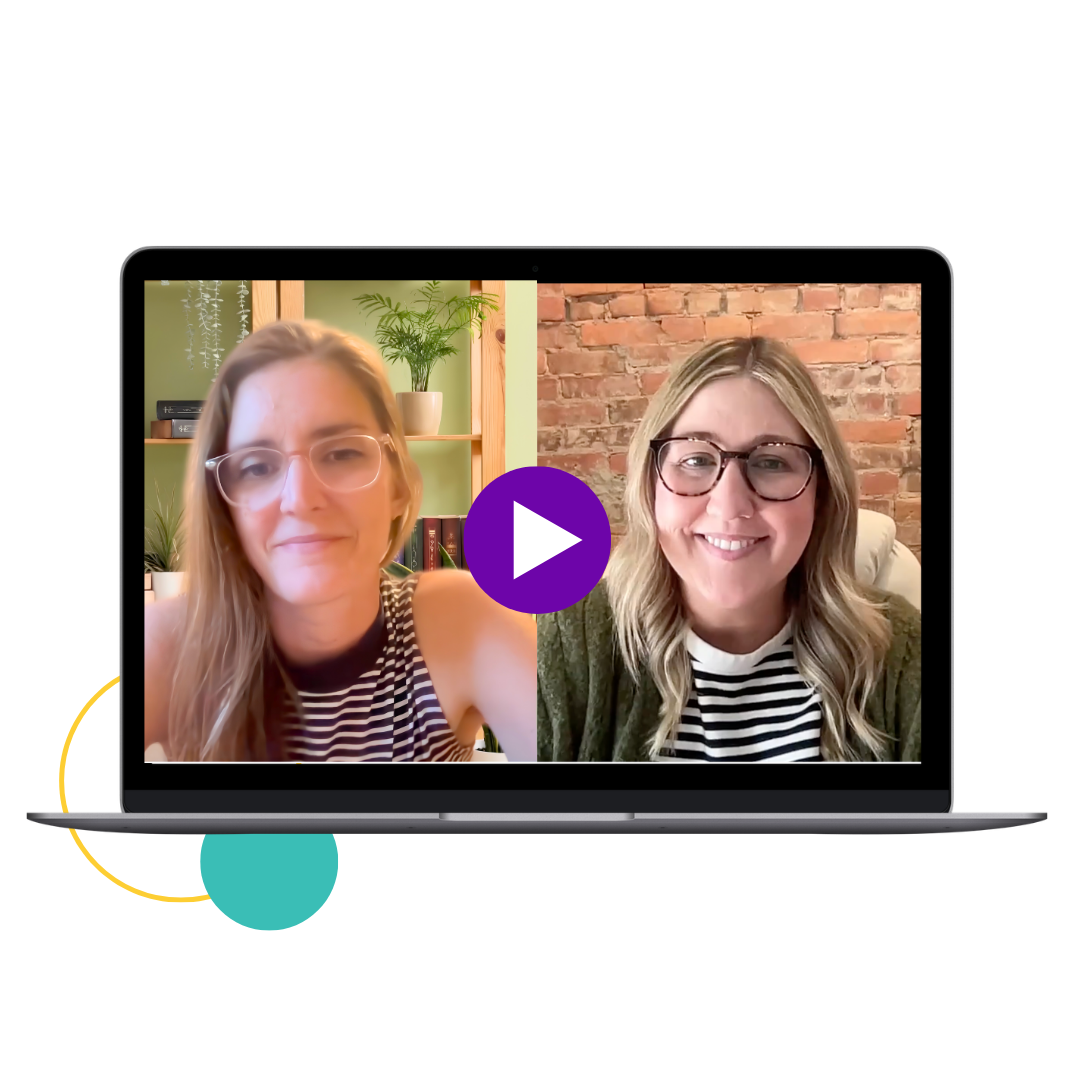
In this Tuesday Tips conversation, enrollment marketing specialist Kerry Selfinger discusses how schools can turn their happiest families into active ambassadors. From identifying potential ambassadors to creating shareable content and timing referral asks strategically, Kerry breaks down what makes family referral programs actually work.
Why are family ambassadors more effective than any ad campaign a school could run?
Kerry Selfinger: No ad can do what a happy parent can do. When a family genuinely loves your school and talks about it out in the community—at a birthday party, in a neighboring Facebook group, at the grocery store—that’s peer-to-peer credibility, and that’s something that ads just can’t replicate. Coming from a friend, it lands completely differently.
Ads create awareness, but a real parent saying, “We love it here and here’s why” creates conviction. As an enrollment marketer, I always tell schools that their most powerful channel is already sitting in the carpool lane. The question is whether they’re activating it.
How do schools identify which families would make the best ambassadors?
Kerry Selfinger: You usually don’t have to look hard. They’re already talking. These are the families who stop you in the hallway to tell you how much their child loves their teacher. They’re the ones leaving those glowing comments on your social posts or showing up to every event, and they re-enroll without hesitation.
The re-enrollment moment is actually one of the clearest signals that you have. When a family re-enrolls, especially if they had options, that’s them voting for the school. That’s your ambassador.
What separates a referral program that actually works from one that feels awkward or forced?
Kerry Selfinger: The programs that fail are the ones that treat referrals like a transaction—”Here’s a discount, go find us a family.” That’s what not to do. The ones that work make families feel like insiders who are proud to share something great.
A few things have to be in place. The ask needs to be specific and easy, and the timing has to catch a family in a high-joy moment. For instance, when a family re-enrolls, that’s a signal that they’re happy and a perfect moment to say, “Do you know anyone else who’d be a great fit here?” Right after a big school event when families are buzzing is one of those great windows.
And closing the loop is important for a successful referral program. It can be the difference between a one-time referral and a longtime ambassador. One thing that schools sometimes skip is following up with a referred family in a timely fashion and mentioning who sent them. You can say, “So-and-so mentioned you might be exploring options for next year. We’re so glad that they thought of you.” It honors that referral, it warms the new lead, and it makes the ambassador feel like it matters.
And it’s not a one-off—that’s something to keep the momentum going. If a family took the time to refer a friend, update that ambassador on how the referrals are going. People are more likely to stay engaged when they feel like it’s working.
How do schools actually activate ambassador families once they’ve identified them?
Kerry Selfinger: A personal ask from the head of school or the director of admissions is always going to outperform a mass email. You want the ask to feel like an honor, not a chore. It’s great to frame it as, “We grow best with families like yours that recommend families like yours.” It’s a compliment and an ask at the same time.
Removing barriers that make it difficult to refer someone is also great. Giving them a pre-written text that they can literally copy and paste makes it so easy for families to share. When the ask is simple, most families will say yes without a second thought.
What are some simple ways schools can give families shareable content and talking points?
Kerry Selfinger: Most families want to talk about your school. They just don’t know what or how to say it in a way that feels natural. Just by making it easy, by giving them a one-pager with a few two to three honest answers to questions that parents are usually asking—like how do I respond when a friend asks about the school? And it doesn’t have to be static. This can be evolving throughout the year.
Some schools will share a snapshot of highlights for that month about what happened at the school that families can forward to a friend who might be on the fence. It’s simple and incredibly shareable.
Another way is through social media—creating pre-written social captions that they can post just with one tap. It can be a milestone moment, a student spotlight, event recaps, classroom wins. We want those families to repost the content so it travels and gets shown to their followers.
A key here is to not only design content for people who are already following you, but design it for the stranger who’s gonna see it when a current family reposts it. That kind of reframing changes everything about how you build your school graphics and write your captions.
And after a big win or an award or an accreditation, send families that one-liner that they can drop into a conversation or a text. It’s very low lift, but has a very high potential impact.
What’s one thing a school could do tomorrow to start turning their happiest families into active ambassadors?
Kerry Selfinger: Right now they could share a simple stat in their next newsletter—a percentage. “30% of our new families this year came through referrals from families like you.” You’re building community, you’re also planting a seed. At this time when everyone’s so busy, parents read it and think, “So-and-so mentioned that they were looking for a new school, I should refer them.”
It’s low effort, it’s genuine, and it reminds your whole community that they’re already part of something worth sharing. So start there, then follow up with the families who engage with it, and those are your next ambassadors.
Key Takeaways
Your most powerful enrollment channel is already in your carpool lane. Family ambassadors create peer-to-peer credibility that no ad campaign can replicate. The question isn’t whether word-of-mouth works—it’s whether you’re systematically activating it.
Make referring easy with tools families can use immediately. Pre-written text messages, one-pagers with talking points, monthly highlight snapshots, and social captions that require just one tap to share. When the ask is simple, most families will say yes.
Time your asks for high-joy moments and always close the loop. Re-enrollment, big events, and milestone celebrations are when families feel most enthusiastic. Frame the ask as an honor, then follow up with both the referred family and the ambassador to show their referral mattered.
Frequently Asked Questions
Why are family ambassadors more effective than paid advertising for school enrollment?
Family ambassadors create peer-to-peer credibility through genuine recommendations that carry more weight than marketing messages. When a parent tells a friend “We love it here and here’s why,” that creates conviction in ways ads never can. Ads build awareness, but personal recommendations from trusted sources drive enrollment decisions.
How can schools identify which families would make good ambassadors?
Look for families who are already talking positively about your school—those who stop staff in hallways to share positive feedback, leave glowing social media comments, attend every event, and re-enroll without hesitation. The re-enrollment moment is one of the clearest signals, especially when families had other options.
What makes school referral programs fail?
Referral programs fail when they treat referrals like transactions (offering discounts to recruit families) rather than making families feel like proud insiders sharing something great. Successful programs make asking easy, time requests for high-joy moments, and close the loop by following up with both referred families and ambassadors.
How can schools make it easier for families to refer other families?
Provide pre-written content families can copy and paste: text messages, social media captions, one-pagers with talking points, monthly highlight snapshots, and one-liners after big wins. Design content not just for current followers, but for strangers who will see it when families share it with their networks.
When is the best time to ask families for referrals?
Ask during high-joy moments when families are feeling most enthusiastic: right after re-enrollment (they just voted for your school), immediately following big school events when families are buzzing, or after milestone celebrations and achievements. These moments make the ask feel natural rather than forced.
Should schools formalize family ambassador programs or keep them organic?
Both approaches can work depending on school size and capacity. Formalized programs with structure and recognition work well for larger schools with dedicated resources. Organic approaches suit smaller schools with limited bandwidth. What matters most is consistency—regularly identifying enthusiastic families, giving them tools, asking at the right moments, and closing the loop on referrals.
About Kerry Selfinger
Kerry Selfinger is an enrollment marketing specialist who helps schools activate their most powerful marketing asset—their current families. She works with educational institutions to develop authentic referral strategies that turn word-of-mouth into scalable enrollment growth.