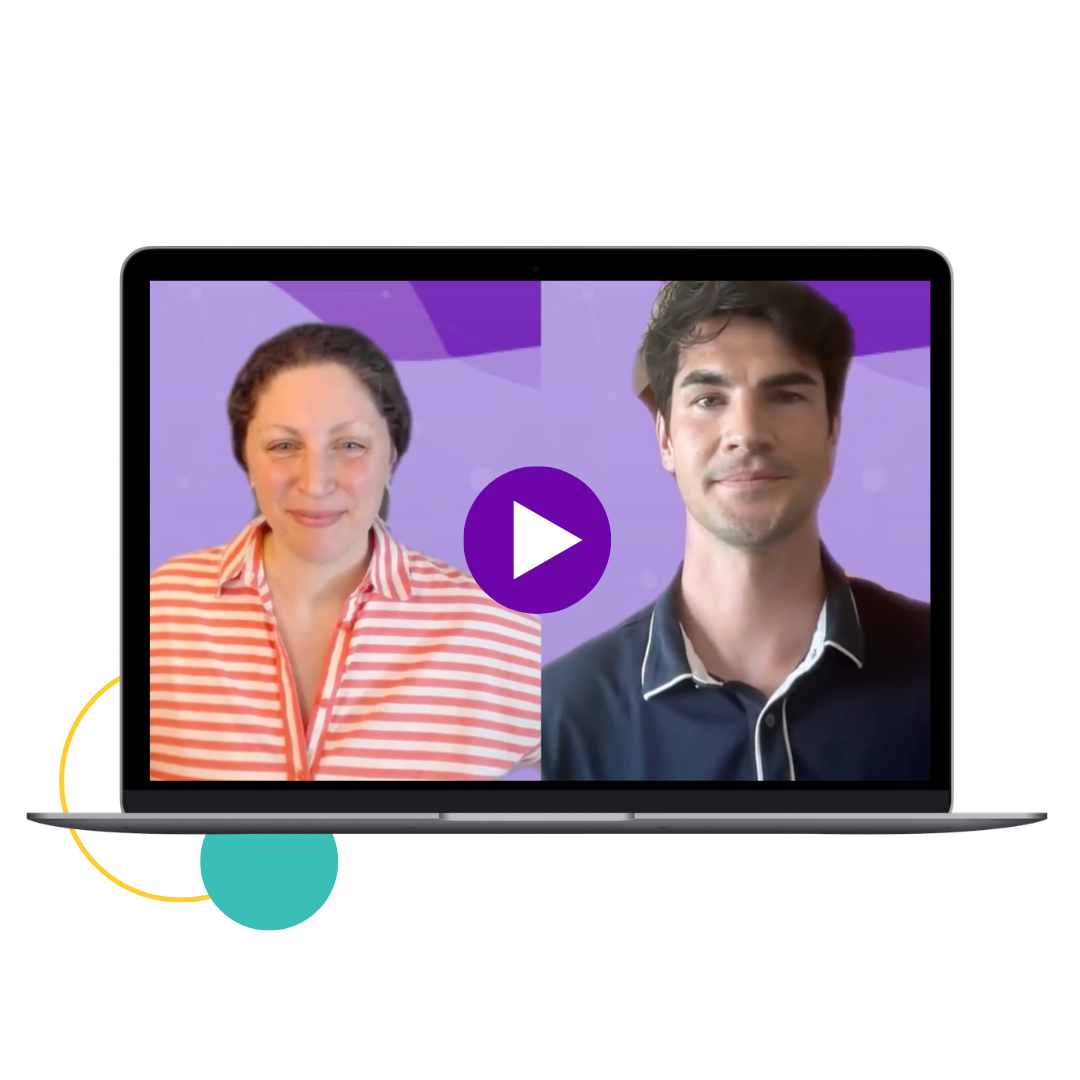
Every enrollment season, charter schools make decisions based on assumptions about what families want. This week on Tuesday Tips, we sat down with Carla Pugliese and Alex Weitzel from Avela—an end-to-end enrollment management platform built for K-12 districts and charter schools—to talk through something more useful than assumptions: actual data.
Earlier this year, Avela surveyed over 500 families about their enrollment experience, asking about 20 questions covering how they research schools, where they get stuck, and what they wish were different. The findings are worth paying attention to.
Here are the three biggest takeaways for charter school leaders.
1. Your website is part of the enrollment experience.
Charter families are more research-driven than network-driven. Unlike families enrolling in district schools—who largely rely on word of mouth—charter families are doing their homework online before they ever speak to anyone at your school. They’re comparing options, evaluating fit, and deciding whether to apply, all from your website.
That means your site isn’t just a marketing tool. It’s a functional part of the enrollment funnel. If a prospective family can’t find your apply button quickly, or if your homepage doesn’t clearly communicate what makes your school different, they may move on without ever submitting an application.
The exercise Alex recommended: put yourself in the shoes of a brand-new parent visiting your site for the first time. Where’s the apply button? What do you see first? Is it easy to understand who you are and what you offer? That audit alone can reveal friction points worth fixing before your next enrollment season opens.
2. Show academic outcomes—don’t just claim them.
Academic performance was the number one driver for charter families in Avela’s survey, cited by more than 70% of respondents. Families choosing a charter school are making an active decision, and they want evidence it’s the right one.
The implication: put your actual outcomes somewhere prominent and easy to find. Test scores, graduation rates, college placement data—make it concrete, make it visible, and make it easy to understand. One school Alex highlighted had built an interactive “Where Are They Now?” map showing where graduates had gone after leaving the school. It was a simple, compelling way to let outcomes speak for themselves.
There’s also an AI angle here worth noting. As more families use AI tools to research and compare schools, those tools are pulling specific metrics from school websites to surface in their answers. Schools with concrete, findable outcome data will be better represented in those results than schools that only offer slogans.
3. Make the application mobile-friendly and friction-free.
Twenty-seven percent of charter families in the survey cited application complexity as a challenge—higher than the rate among district school families. That gap makes sense: charter families are often managing multiple applications at once, each with different timelines, requirements, and platforms. It’s a significant mental load.
The two places where families most commonly get stuck: document uploads and unclear next steps. If a parent hits a document requirement while applying on their phone and doesn’t have the file handy, they often have to stop—and sometimes don’t come back. Carla’s recommendation is to keep the application itself as lean as possible, moving document collection to the enrollment stage after a seat has been offered.
And if your application process isn’t fully functional on a mobile device from start to finish, that’s worth fixing. Families whose process pushes them from phone to desktop to complete an application are abandoning it at a preventable point.
Proactive communication helps here too. Families don’t just want to complete the process—they want to understand it. A clear timeline of what happens after they apply, regular status updates, and transparent waitlist communication go a long way toward reducing the anxiety that shows up in enrollment data again and again.
The Bottom Line
Families are telling schools exactly what they need. They’re researching online—make sure your website meets them there. They care about academic outcomes—show the proof. They want a clear, low-friction process—audit it, simplify it, and make sure it works on a phone.
None of this requires a full overhaul. Start with one thing. The schools that do will be better positioned for every enrollment season ahead.
Watch the full conversation with Carla and Alex from Avela at growschools.com.
Frequently Asked Questions
Why do charter school families research schools online more than district school families?
Charter school families are actively choosing a school rather than defaulting to a neighborhood assignment. That active decision-making drives more independent research—comparing schools, reading websites, and evaluating fit—before families ever contact a school directly. Avela’s survey of 500 families found that online research slightly outpaced friends and family recommendations as the top source of information for charter families, while word of mouth remained the dominant driver for district school families.
What do charter school families care most about when choosing a school?
Academic performance ranked as the number one factor for charter families in Avela’s survey, cited by over 70% of respondents. Families want concrete evidence of student outcomes—not slogans or general claims, but specific data like test scores, graduation rates, and college placement information that’s easy to find on a school’s website.
How should charter schools communicate their academic outcomes online?
Schools should prioritize showing outcomes over stating them. That means putting specific student success metrics—test scores, graduation rates, college acceptance data—in a prominent, easy-to-find location on the website. Interactive elements like graduate outcome maps can make the data more engaging. Concrete metrics also benefit schools in AI-assisted searches, where tools pull specific data points to answer families’ questions about school quality.
Where do families most commonly get stuck in the charter school application process?
Avela’s survey identified two primary friction points: document uploads and general confusion about what to expect next. Document upload requirements are especially problematic for families applying on mobile devices, where accessing and uploading files mid-application is cumbersome. Unclear timelines and lack of proactive communication compound the stress, particularly for families juggling multiple applications with different requirements and deadlines.
How can charter schools reduce friction in the enrollment application process?
Keep the application itself as simple as possible—collect only what’s essential at the application stage and move document requirements to post-offer enrollment. Make sure the entire process works on a mobile device from start to finish, since applications that require a desktop to complete see higher abandonment rates. Communicate proactively with families about what to expect and what comes next, and audit your own process regularly by walking through it as a first-time applicant would.
Why are families frustrated with charter school lottery systems and waitlists?
According to Avela’s research, the frustration isn’t with lotteries themselves—it’s with the uncertainty around them. Families want to know what the rules are, what their waitlist position realistically means, and what to expect and when. When schools leave families without clear updates or transparent communication, it creates anxiety during an already high-stakes process. Regular status updates, clear waitlist explanations by grade level, and honest communication about realistic outcomes significantly reduce that frustration.
What is the single most important thing a charter school can do to improve the enrollment experience?
Audit your enrollment process from a prospective family’s point of view—starting with your website. Find your apply button as a new visitor would. Walk through the application on your phone. Note every place where you’d hesitate, get confused, or give up. That exercise surfaces the highest-impact improvements, and it costs nothing to do.