Your school’s costs show up on a steady schedule. Payroll runs every pay period, the utility bill arrives every month, and service contracts come due on their own dates. The money that covers those costs follows a different rhythm. Public funding is based on enrollment, grants pay on their own terms, and private donations come in when donors give. According to The Charter School Spend Management Guide, the timing of these funds doesn’t always line up with your expenses, so managing cash flow means having enough on hand at any given moment to cover what’s due.
Burn rate is one of the clearest ways to see where you stand. It’s the rate at which your school spends its available funds, especially on day-to-day operations. When it runs high, you can end up short on cash and facing hard choices, such as cutting programs or staff. When you know your burn rate and track it, you can adjust before funds run out.
Track Your Burn Rate on a Regular Schedule
Start with monthly cash flow. Comparing what went out each month against the funds you have available tells you whether your spending matches what you can afford, and it shows you trends while there’s still time to respond. The guide also recommends reviewing your burn rate each semester and making adjustments so you don’t overspend.
Those reviews go further when your forecasts rest on real history. Build your expense and revenue projections from past data, and compare year-over-year spending in key categories to find costs that keep climbing. Small, recurring costs deserve a close look. Salaries, utilities, janitorial services, and maintenance are predictable, which makes them easy to stop noticing, and they add up over time. Sorting your operating costs into fixed and variable, then reviewing them quarterly, makes savings easier to spot.
You don’t have to carry this alone. The guide suggests giving department heads responsibility for managing their own budgets, so accountability for costs is shared across your team instead of sitting with one person.
Forecast the Months Ahead
A cash flow forecast tracks both the money you expect to receive and the money you expect to spend. With one in place, you can see the periods when expenses will outrun income and plan for them ahead of time.
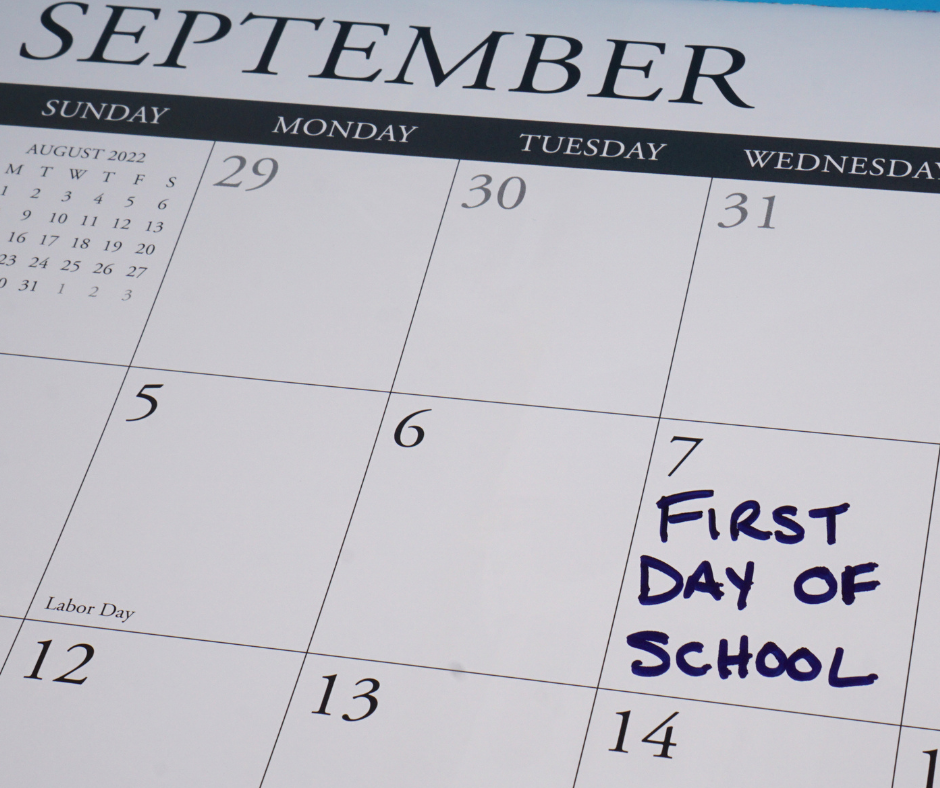
The guide recommends creating a 6–12 month cash flow forecast and updating it every month. Build in seasonality, too. Spending tends to run higher at the beginning of the school year, and a forecast that treats every month the same will miss that. When funding or costs change unexpectedly, update the forecast to reflect it.
Use what you know about the year ahead. Projected enrollment and per-pupil funding adjustments both belong in your forecasts, since they shape how much money comes in.
Time Your Large Purchases
Large capital expenditures can drain your cash reserves if they land at the wrong moment. Whether it’s technology, furniture, or work on your building, plan big purchases for times when cash flow is strong, such as after you receive government funding or end-of-year donations.

Before you commit, get adequate quotes and approvals for any high-value item. Competitive quotes help you get the best value for what you buy, and a clear approval step keeps a large purchase from catching your budget off guard. Making major purchases without proper approval is one of the common spending mistakes the guide warns against.
Decide What Gets Paid First
Even with good planning, you’ll have tight stretches. Deciding your priorities ahead of time makes those weeks calmer. The guide points to salaries, utilities, and educational supplies as the critical expenses that keep core operations running. Regularly sort your spending into what’s essential right now and what can wait, then hold off on the less urgent purchases until you have more certainty about cash flow.
A payment hierarchy for your bills does the same job. When everyone on your team knows which payments come first, a tight week doesn’t turn into guesswork.
Keep Accounts Payable Under Control
Accounts payable (AP), the bills your school owes to vendors, can lead to cash flow problems, missed payments, late fees, and strained vendor relationships when it isn’t managed well. A few habits from the guide help:
– Set up a clear approval process for every invoice so each expense is necessary, within budget, and authorized.
– Keep a record of outstanding invoices and their due dates to avoid late fees.
– Batch invoices from the same vendor to simplify processing and see your cash flow more clearly.
– Review your AP aging reports to spot invoices that have been outstanding too long.
Payment terms are worth a conversation, too. Where you can, negotiate longer terms with vendors to smooth cash flow during tight periods. Keep that separate from paying late, since late payments damage relationships and lead to penalties.
Checking that each invoice matches its purchase order and receipt prevents overpayment. Reviewing vendor contracts on a regular schedule gives you openings to negotiate better terms.
Build a Buffer Into Your Budget
A reserve fund gives you room when something unexpected happens, such as an urgent repair, an emergency staffing need, or a sudden change in funding. The guide recommends setting aside 3–5% of your annual budget for this fund and keeping it easy to reach when you need it.
Your burn rate reviews can help you build it. When regular expense reviews turn up places to scale back or negotiate better terms, you can move those savings into your reserve or into the programs that matter most to your students.
Want to share?