
Resource Guide
The Charter School Financial Health Guide
The schools that thrive are the ones that build the funding infrastructure to match their mission. This guide is about exactly that — the financial reality of charter school leadership, what it looks like at each stage of growth, where the pressure points are, and how to build the financial foundation that keeps your mission alive and your school growing.
Download Full Guide for FreeStart-Up: Survive the Cash Gap
The start-up stage is defined by a brutal paradox: you need money to do the things that will eventually earn you money. You need staff before you have tuition. You need a facility before you have enrollment. You need to market your school before families have heard of it. State per-pupil funding — your eventual operational backbone — doesn’t flow until students are enrolled and attending. Which means in the early months, and often the early years, you’re operating in a cash gap. Working capital — the difference between your current assets and your current liabilities — is the indicator of whether you can meet your short-term obligations. In the start-up stage, managing it is the central financial challenge.

Growth: Fund the Unpredictable
If the start-up stage is about surviving, the growth stage is about scaling — and scaling introduces a new kind of financial pressure. Your revenue is growing. Your enrollment is climbing. On paper, things are moving in the right direction. But your financial needs might be growing faster than your ability to predict them. This is also the stage where “budget shock” happens most often — that moment at month-end when actual spend is significantly different from what anyone expected, because decision-makers didn’t have real-time visibility into budget impact when the spending happened. A single project can draw from a restricted grant, a general operating fund, and a project-specific allocation simultaneously. If your systems aren’t built to track that complexity, you’ll feel it in your cash flow.

Sustainable Maturity: Optimize Your Capital
Reaching sustainable maturity — 90 to 100% of target enrollment — is a genuine achievement. Your budget is more predictable. Your lender relationships are established. Your enrollment is stable, with a consistent incoming class each year. The question is no longer “how do we survive?” It’s “how do we optimize?” And the schools that thrive at this stage are the ones that treat that question with the same rigor they brought to survival. Even well-established schools face constant change — curriculum requirements evolve, buildings need upgrading, staff turns over, and the unexpected always finds a way in. Financial stability is not a destination, it’s a practice.

Success Story
See Success StoriesSTARS Charter School
STARS partnered for money to run their school. They were able to embark upon building projects with minimal disruptions to their thriving programs. With the new, improved space, STARS has been able to dramatically increase enrollment.
View Case Study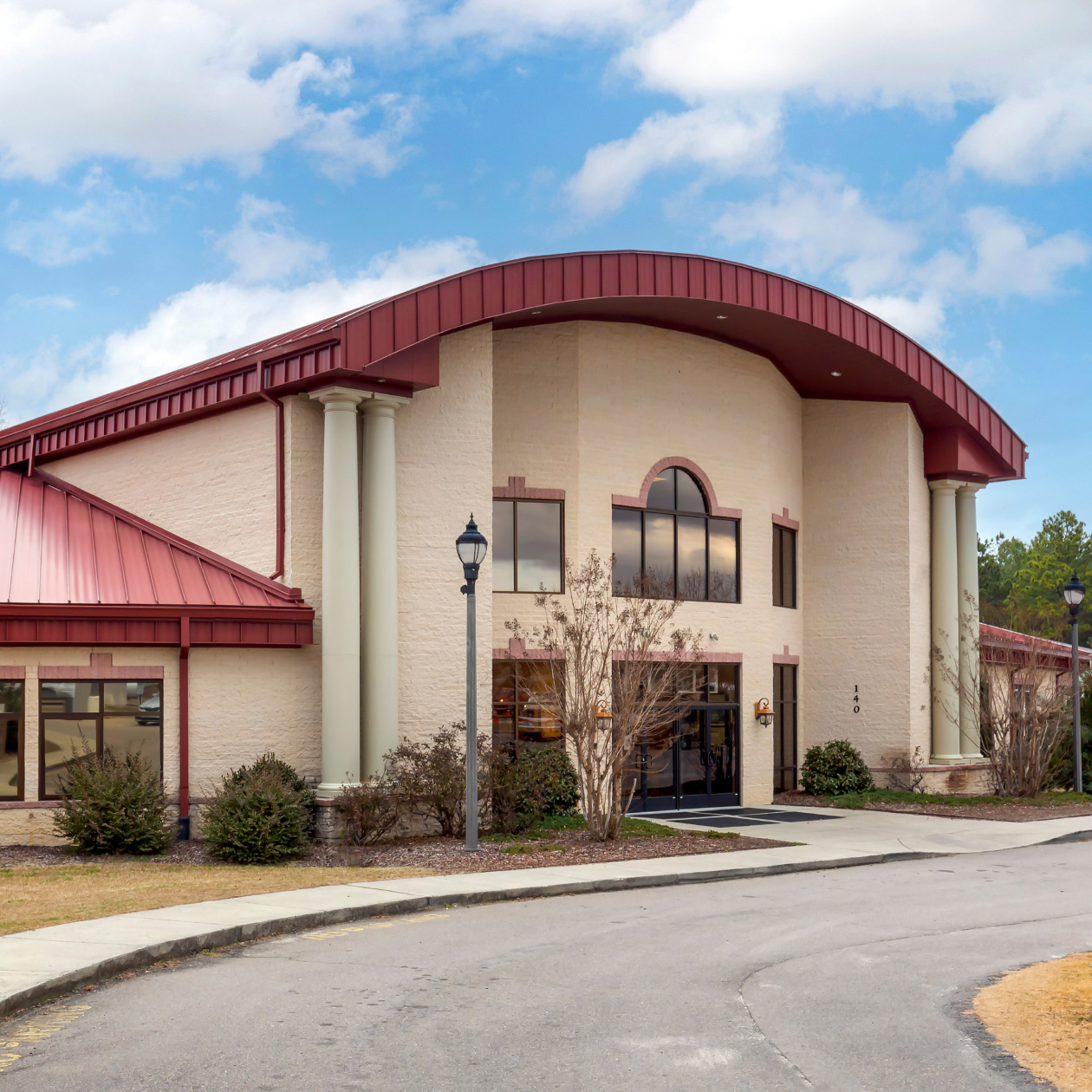
Need money to run your school?
Get Started- Talk to a real person
- Get qualified in minutes
- Fund your school