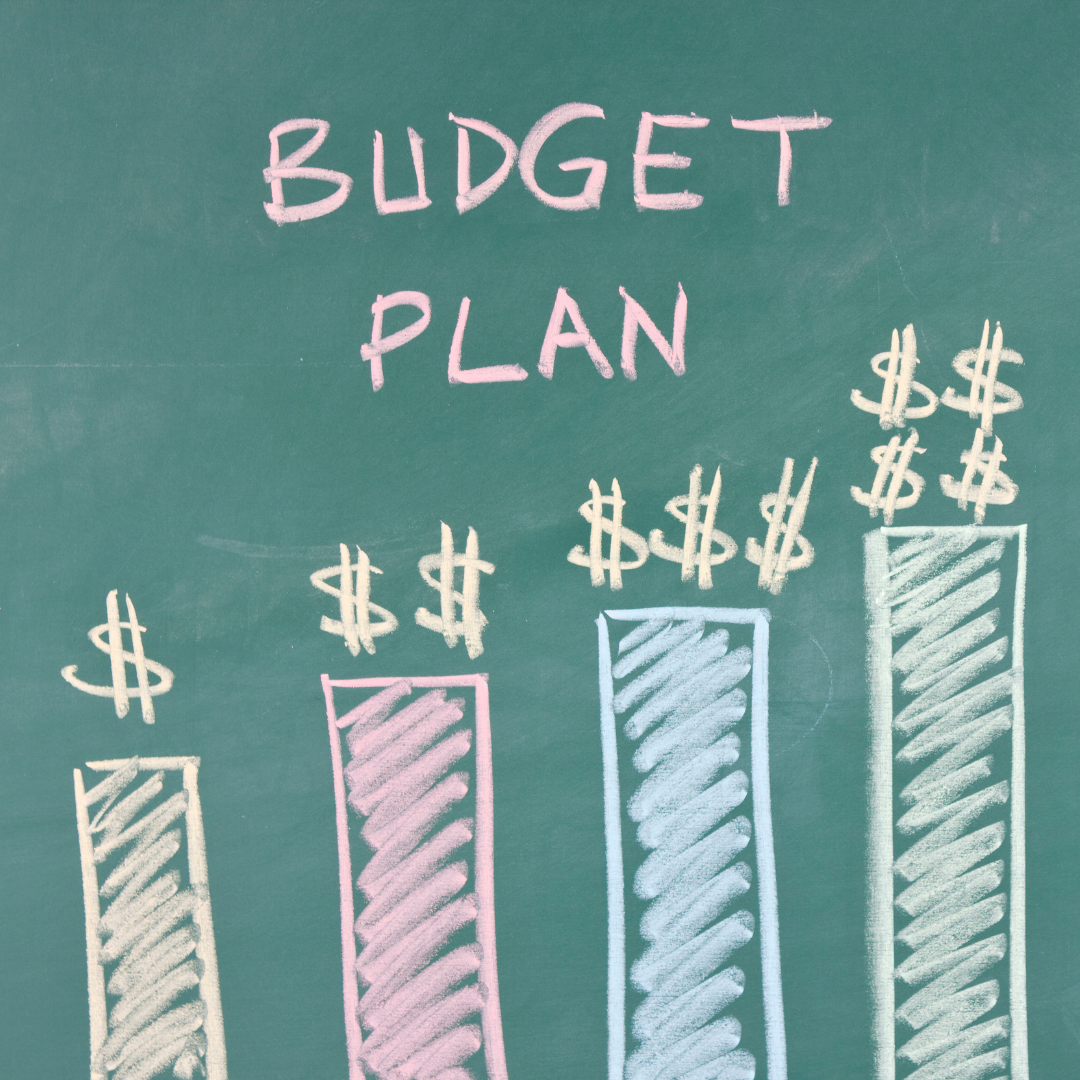
Financial problems, not academic ones, are the leading cause of charter school closures. According to a 2011 analysis by The Center for Education Reform — still the most-cited study on this question, and the same figure Grow Schools’s own research on charter closures confirms — 42% of charter school closures are due to financial reasons, more than double the next most common cause (mismanagement, at 24%). Building a solid budget from day one is the clearest lever a founding team has to avoid becoming part of that statistic.
Best Practice No. 1: Start From Your Petition Budget
Most authorizers require new charter petitions to include a budget and cash flow projections covering startup costs and a multi-year operational budget. Your petition budget is your school’s founding financial document, and it should reflect the priorities in your charter: your target student-teacher ratios, the professional staff you plan to hire, facility costs, and the technology, equipment, and textbooks your mission requires.
Treat it as a starting point, not a finished product. There’s often significant lag time between submitting your petition and opening your doors, and in that gap, government funding levels, the cost of goods, benefits, and salaries can all shift — sometimes substantially. Revisit your petition budget regularly rather than treating it as locked in once it’s approved.

Best Practice No. 2: Make a Wish List, Then Prioritize
When you build or update your budget, capture every item every stakeholder wants — no matter how small or ambitious. You’ll likely end up with a large deficit on paper, and that’s fine: it means every teacher, staff member, and partner organization felt heard. From there, work backward and cut against your priorities, guided by your school’s mission rather than whoever asked loudest. For the harder calls, a simple marginal analysis — what does this item cost versus what it returns — can make trade-offs clearer.
Best Practice No. 3: Plan for Surprises
Budgeting gets more predictable every year you operate, but expect real surprises in year one: a vendor is acquired and raises prices, your facility needs an unplanned repair, or enrollment comes in above or below projections. Leave room in your first-year budget for exactly this kind of variance, and make sure staff at every level understand why that cushion exists. Sharing your school’s monthly burn rate — how much cash you’re using each month — is a simple way to keep your team financially literate without overwhelming them with a full ledger.
What’s Changed in Charter School Budgeting Recently
A few current benchmarks worth building into your process, on top of the three practices above:
- Staffing is most of your budget. Compensation typically runs 65–80% of a charter school’s total budget, and a competitive hiring market continues to push salaries, benefits, and retention incentives upward.¹ Model staffing costs conservatively rather than optimistically.
- Build in a reserve, and don’t skip it. A commonly recommended target is setting aside at least 5% of your budget in reserve, with a governing board that won’t approve a budget unless it’s balanced.¹ A reserve policy — reviewed regularly, not just set once — is what lets a school absorb the “surprises” in Best Practice No. 3 without a crisis.
- Time your budget to your hiring calendar. Drafting an initial balanced budget in early spring, ahead of your governing board’s review, gives school leaders clarity on what positions and compensation they can offer before the hiring season gets competitive.¹

How Grow Schools Can Help
When the gap between your petition budget and your actual cash flow shows up — a delayed state payment, a slower-than-expected enrollment ramp, an unplanned repair — Money to Run Your School is Grow Schools’s working capital solution built for exactly this. It advances your state per-pupil payments so you can pay staff, buy supplies, and cover projects, with funding in as few as five days and no cost to participate.
Keep Learning
- How to Start a Charter School: The Complete Founder’s Guide — covers the full founding journey, including the “cash gap” between incurring costs and receiving state funding.
- Why Do Charter Schools Close? — the full closure-cause breakdown (financial, mismanagement, academic) with sourcing.
- Tuesday Tips: Transparent, Competitive Compensation Systems
- Tuesday Tips: Enrollment-Informed Facility Planning
- Tuesday Tips: Lease Negotiation & Your Future Growth Plans
- Tuesday Tips: Summer Facilities Projects
Frequently Asked Questions
Why do most charter schools that fail actually fail?
Financial reasons, by a wide margin. The most-cited analysis, from The Center for Education Reform, found 42% of charter closures were due to finances, versus 24% for mismanagement and under 19% for academic issues.
What should be in a charter school’s petition budget?
Startup costs and a multi-year operating budget reflecting your charter’s priorities: staffing and student-teacher ratios, facility costs, technology and equipment, textbooks, and marketing — all tied to your school’s mission, not a generic template.
How much of a charter school’s budget typically goes to staffing?
Roughly 65–80% of total spending, making it the single largest budget category and the one most worth modeling conservatively.
How much should a charter school keep in reserve?
A commonly used benchmark is at least 5% of the annual budget, reviewed and adjusted regularly rather than set once and forgotten.
What’s a “burn rate,” and why does it matter?
Your burn rate is how much cash your school is using each month. Sharing it with staff — without walking through the full budget — helps your team understand financial reality without overwhelming them with detail.
What happens if a state payment is delayed and my budget doesn’t have the cushion?
This is one of the most common first-year surprises. Options include drawing down reserves, adjusting spending short-term, or using a working capital product like Money to Run Your School, built specifically to bridge gaps like this.
Sources
- School CBO, “Budget Best Practices for Districts and Charter Schools” (November 2025)
- The Center for Education Reform, “Charter Schools Closure Rate Tops 15 Percent” — original 2011 report; still the primary source behind the 42%/24% figures cited across the sector, including on our own site.
Want to share?